
Bonds can be a low-risk, high return investment. The bond will pay interest before it matures. Bonds can be issued either by a government, or a private company. Government bonds are typically issued by either a national government or a state. Private bonds are more volatile than government bonds and usually have higher interest rates. There is a possibility that the bonds' issuer might default. If the issuer defaults on the bonds, the issuer's obligation is to repay bondholders.
A bond is a document that promises to pay interest at a specific rate and repay principal upon maturity. Borrowers selling bonds to raise funds are the ones who sell them. The bond's issuer may be an insurance corporation or corporation, but it could also be a municipality. There are many kinds of bonds. Municipal bonds, corporate bonds and government bonds are the most popular types of bonds. The tax treatment of government bonds can be either taxable or exempt from tax.

Bonds are usually escrowed to maturity, meaning that the proceeds of the bonds are placed in an escrow account. The proceeds of the bonds are used for the repayment of outstanding bonds. The proceeds from the refunded issues are then transferred to an escrow account. They will remain there until the call deadline, when the bonds must be redeemed. The call price is expressed as a percentage the bond's principal. The proceeds often exceed the face price if the bond's maturity date is reached before it is sold. However, the bond might be sold at discount. The bond could also be sold at an lower interest rate.
The number of bond years is used to calculate the average life of an issue. This number is calculated simply by multiplying the number the bonds in an issue by the number year from the dated day to the declared maturity date. This number is used to calculate net interest costs. The amortization method is used to calculate the net interest cost. This involves subtracting the current interest payments from the yield to maturity. It decreases with maturity, but stays the same as the original issued premium.
The issuer of a bond might also reserve rights to call it at maturity. The call price is typically above par. To avoid taxation of the bonds, the issuer could also pay the IRS. Bond insurers also guarantee payment of interest. The issuer and the insurance company may also issue the bond. In this case, a conduit borrower (private companies or individuals) will issue the bond.
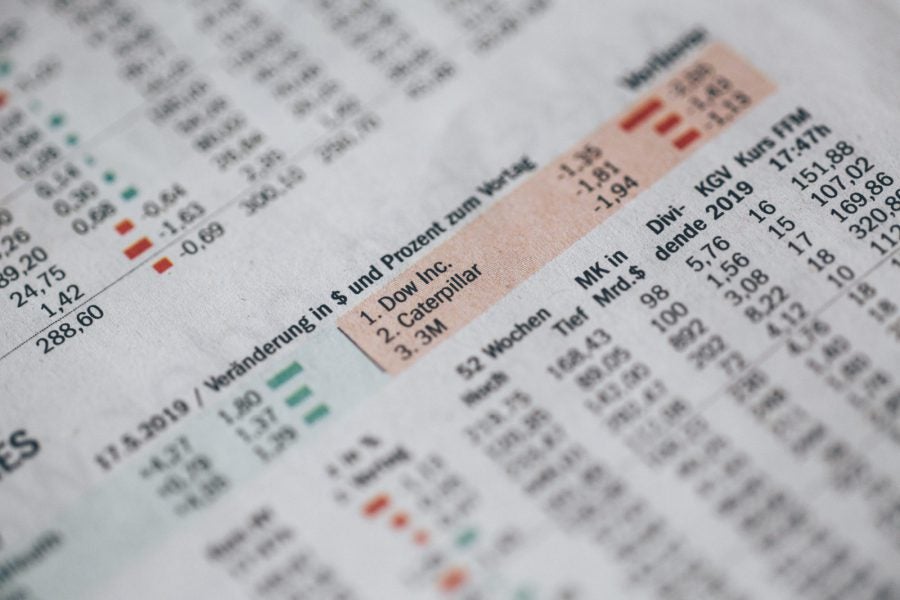
Bonds are issued to protect capital and ensure a steady stream of income for the investor. They are a popular investment because of their low risks and steady income stream. They can also be used as a hedge against the volatility of stock holdings.
FAQ
Why are marketable Securities Important?
An investment company's primary purpose is to earn income from investments. It does this through investing its assets in various financial instruments such bonds, stocks, and other securities. These securities are attractive to investors because of their unique characteristics. They can be considered safe due to their full faith and credit.
The most important characteristic of any security is whether it is considered to be "marketable." This refers to how easily the security can be traded on the stock exchange. A broker charges a commission to purchase securities that are not marketable. Securities cannot be purchased and sold free of charge.
Marketable securities include government and corporate bonds, preferred stocks, common stocks, convertible debentures, unit trusts, real estate investment trusts, money market funds, and exchange-traded funds.
Investment companies invest in these securities because they believe they will generate higher profits than if they invested in more risky securities like equities (shares).
What are the advantages of investing through a mutual fund?
-
Low cost - Buying shares directly from a company can be expensive. It is cheaper to buy shares via a mutual fund.
-
Diversification: Most mutual funds have a wide range of securities. When one type of security loses value, the others will rise.
-
Professional management – professional managers ensure that the fund only purchases securities that are suitable for its goals.
-
Liquidity- Mutual funds give you instant access to cash. You can withdraw your money whenever you want.
-
Tax efficiency- Mutual funds can be tax efficient. So, your capital gains and losses are not a concern until you sell the shares.
-
For buying or selling shares, there are no transaction costs and there are not any commissions.
-
Easy to use - mutual funds are easy to invest in. All you need is a bank account and some money.
-
Flexibility – You can make changes to your holdings whenever you like without paying any additional fees.
-
Access to information - you can check out what is happening inside the fund and how well it performs.
-
Investment advice - you can ask questions and get answers from the fund manager.
-
Security - you know exactly what kind of security you are holding.
-
You can take control of the fund's investment decisions.
-
Portfolio tracking - You can track the performance over time of your portfolio.
-
Easy withdrawal - You can withdraw money from the fund quickly.
There are some disadvantages to investing in mutual funds
-
Limited selection - A mutual fund may not offer every investment opportunity.
-
High expense ratio: Brokerage fees, administrative fees, as well as operating expenses, are all expenses that come with owning a part of a mutual funds. These expenses eat into your returns.
-
Lack of liquidity - many mutual funds do not accept deposits. They must be purchased with cash. This limits your investment options.
-
Poor customer support - customers cannot complain to a single person about issues with mutual funds. Instead, you must deal with the fund's salespeople, brokers, and administrators.
-
It is risky: If the fund goes under, you could lose all of your investments.
What is a Stock Exchange exactly?
A stock exchange allows companies to sell shares of the company. This allows investors to buy into the company. The market decides the share price. It usually depends on the amount of money people are willing and able to pay for the company.
Companies can also get money from investors via the stock exchange. Companies can get money from investors to grow. Investors purchase shares in the company. Companies use their money to fund their projects and expand their business.
There are many kinds of shares that can be traded on a stock exchange. Some are known simply as ordinary shares. These are the most popular type of shares. Ordinary shares are traded in the open stock market. Stocks can be traded at prices that are determined according to supply and demand.
Preferred shares and debt securities are other types of shares. Priority is given to preferred shares over other shares when dividends have been paid. A company issue bonds called debt securities, which must be repaid.
How do you choose the right investment company for me?
It is important to find one that charges low fees, provides high-quality administration, and offers a diverse portfolio. Fees vary depending on what security you have in your account. Some companies charge no fees for holding cash and others charge a flat fee per year regardless of the amount you deposit. Others charge a percentage of your total assets.
Also, find out about their past performance records. Companies with poor performance records might not be right for you. Avoid low net asset value and volatile NAV companies.
Finally, it is important to review their investment philosophy. To achieve higher returns, an investment firm should be willing and able to take risks. They may not be able meet your expectations if they refuse to take risks.
What is the trading of securities?
The stock market is an exchange where investors buy shares of companies for money. In order to raise capital, companies will issue shares. Investors then purchase them. When investors decide to reap the benefits of owning company assets, they sell the shares back to them.
Supply and Demand determine the price at which stocks trade in open market. The price rises if there is less demand than buyers. If there are more buyers than seller, the prices fall.
There are two methods to trade stocks.
-
Directly from company
-
Through a broker
Statistics
- "If all of your money's in one stock, you could potentially lose 50% of it overnight," Moore says. (nerdwallet.com)
- Individuals with very limited financial experience are either terrified by horror stories of average investors losing 50% of their portfolio value or are beguiled by "hot tips" that bear the promise of huge rewards but seldom pay off. (investopedia.com)
- For instance, an individual or entity that owns 100,000 shares of a company with one million outstanding shares would have a 10% ownership stake. (investopedia.com)
- US resident who opens a new IBKR Pro individual or joint account receives a 0.25% rate reduction on margin loans. (nerdwallet.com)
External Links
How To
How to open a trading account
It is important to open a brokerage accounts. There are many brokers that provide different services. There are some that charge fees, while others don't. The most popular brokerages include Etrade, TD Ameritrade, Fidelity, Schwab, Scottrade, Interactive Brokers, etc.
Once you have opened your account, it is time to decide what type of account you want. You can choose from these options:
-
Individual Retirement Accounts (IRAs).
-
Roth Individual Retirement Accounts
-
401(k)s
-
403(b)s
-
SIMPLE IRAs
-
SEP IRAs
-
SIMPLE 401(k).
Each option comes with its own set of benefits. IRA accounts offer tax advantages, but they require more paperwork than the other options. Roth IRAs are a way for investors to deduct their contributions from their taxable income. However they cannot be used as a source or funds for withdrawals. SIMPLE IRAs can be funded with employer matching funds. SEP IRAs work in the same way as SIMPLE IRAs. SIMPLE IRAs can be set up in minutes. They allow employees and employers to contribute pretax dollars, as well as receive matching contributions.
Finally, you need to determine how much money you want to invest. This is the initial deposit. Most brokers will give you a range of deposits based on your desired return. Depending on the rate of return you desire, you might be offered $5,000 to $10,000. The lower end of the range represents a prudent approach, while those at the top represent a more risky approach.
You must decide what type of account to open. Next, you must decide how much money you wish to invest. You must invest a minimum amount with each broker. The minimum amounts you must invest vary among brokers. Make sure to check with each broker.
Once you have decided on the type of account you would like and how much money you wish to invest, it is time to choose a broker. Before selecting a brokerage, you need to consider the following.
-
Fees - Be sure to understand and be reasonable with the fees. Many brokers will offer trades for free or rebates in order to hide their fees. Some brokers will increase their fees once you have made your first trade. Don't fall for brokers that try to make you pay more fees.
-
Customer service – Look for customer service representatives that are knowledgeable about the products they sell and can answer your questions quickly.
-
Security – Choose a broker offering security features like multisignature technology and 2-factor authentication.
-
Mobile apps: Check to see whether the broker offers mobile applications that allow you access your portfolio via your smartphone.
-
Social media presence - Find out if the broker has an active social media presence. If they don’t, it may be time to move.
-
Technology - Does this broker use the most cutting-edge technology available? Is it easy to use the trading platform? Are there any problems with the trading platform?
Once you've selected a broker, you must sign up for an account. Some brokers offer free trials. Other brokers charge a small fee for you to get started. After signing up you will need confirmation of your email address. You will then be asked to enter personal information, such as your name and date of birth. You'll need to provide proof of identity to verify your identity.
After you have been verified, you will start receiving emails from your brokerage firm. It's important to read these emails carefully because they contain important information about your account. These emails will inform you about the assets that you can sell and which types of transactions you have available. You also learn the fees involved. Also, keep track of any special promotions that your broker sends out. These could include referral bonuses, contests, or even free trades!
Next, you will need to open an account online. An online account is typically opened via a third-party site like TradeStation and Interactive Brokers. Both websites are great resources for beginners. You will need to enter your full name, address and phone number in order to open an account. Once you have submitted all the information, you will be issued an activation key. Use this code to log onto your account and complete the process.
Now that you've opened an account, you can start investing!